In this guide
Review transparent and reflective products against identified physical references, using views that expose edges, transmitted backgrounds and surface behavior. Do not approve a whole range because one highlight looks convincing. Glass thickness, metal roughness and lighting can produce similar-looking changes for different reasons.
Begin with an approved source revision and photographs of the actual material or product. Label reference conditions: product version, background, light direction and whether the reference includes coatings, tint or surface wear. A generic clear-glass reference is not enough to approve a specific tinted vessel.
Split the review into three observations
First inspect silhouette and thickness-related cues. Then inspect what can be seen through transparent regions. Finally inspect reflection shape and surface finish. This prevents a dramatic studio light from hiding a geometric problem.
| Observation | Look for | Possible next check |
|---|---|---|
| Outer edge and openings | Missing lip, wrong neck or distorted outline | Source geometry and camera |
| Transmitted background | Unexpected opacity or tint | Material setup and thickness |
| Broad reflection | Excessive sharpness or washed-out finish | Roughness and light size |
| Small detail | Lost engraving, seam or closure | Geometry and output resolution |
Keep the Khronos glTF material reference beside the technical review when GLB is the interchange format.1 Core metallic-roughness settings and extension-based transmission are not interchangeable controls. Confirm what the receiving renderer supports before diagnosing the material.
Change one cause at a time
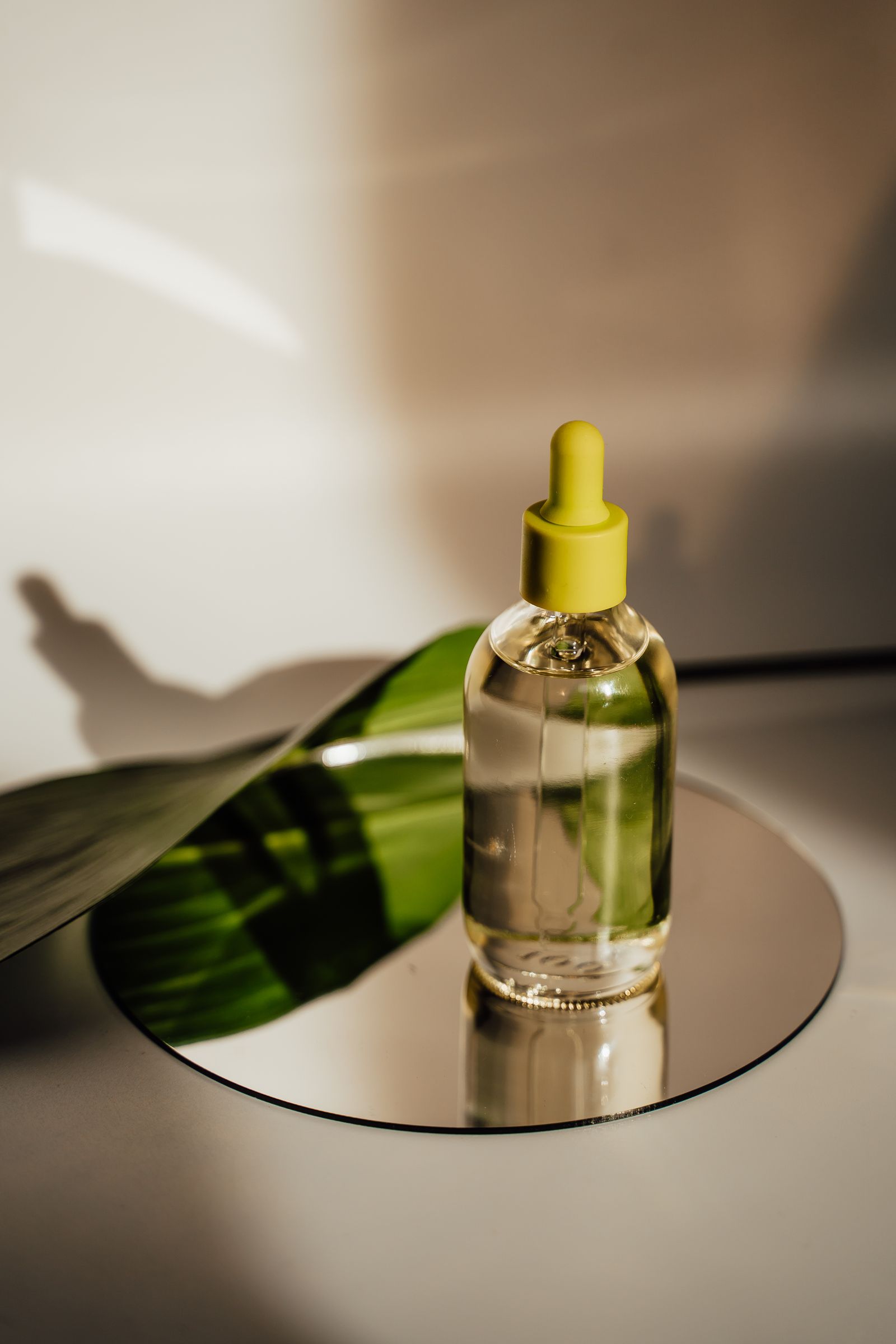
If a bottle looks solid, save the current state before adjusting settings. Verify the exported material, renderer support, background visibility and mesh construction. Do not simultaneously change tint, exposure, light placement and camera: the resulting image will not reveal which change fixed the problem.
For a metal finish, compare the width and clarity of reflected shapes at consistent camera positions. A polished surface and a brushed surface need different references. Brushing direction also matters; a scalar roughness slider cannot define every directional finish.
Pilot the hardest surface
Choose a view that includes the opening, edge and a useful background transition. Add a detail view for a closure or engraving. Keep the approved physical reference and exact source file attached to the review. Ask the reviewer to name the region and discrepancy rather than provide a general realism score.
The review worksheet contains blank rows for these observations. Record the suspected cause, actual change and retest result. An unfilled observation is unknown, not passed.
Know when the source needs more than a preview adjustment
Missing wall geometry, incorrect normals or unsupported material features require source or export work. A color adjustment should not be used to conceal them. If the interchange format cannot carry the approved appearance, document the rendering source and provide a tested derivative rather than claiming perfect portability.
Rendora’s current GLB workflow supports explicit material options and realtime PBR image delivery within its accepted model scope. Review supported features before sending complex glass. The model preparation guide helps assemble the receiving package; the quality checklist closes the file review.
Questions from reviewers
Can a screenshot prove the material matches the sample?
It can document a visual decision under stated conditions. Physical color or gloss acceptance needs its specified sample and measurement or viewing method.
Should every finish use identical lighting?
Keep comparison conditions controlled, then add any separate presentation lighting. Record which view is for comparison and which is for merchandising.
References
- Khronos Group, glTF 2.0 materials, checked October 26, 2026.
About this guide
Rendora publishes practical guides for teams working with configurable 3D assets and traceable production handoffs. Updated October 26, 2026.